What I’m reading today

So today, I read a pretty mundane article about the author’s attempt to gradually lose weight instead of making drastic weight changes.

Not super interesting but still good reading practice. Here’s a bit convoluted and kinda of confusing analogy between the author obsession with eating and a classmate that you like but try to ignore. Even my explanation sounds awkward.

たいして気にしてなかったはずのクラスメートに実は恋している自分を他人に指摘されたみたいで何だかちょっと複雑な気分だ。あえて無視してたのは好きだったからなんだな。恥ずかしい。

In addition, it looks like the American stereotype that we all carry guns in a modern wild west is still well and alive in Japan.

アメリカ人がドンパチ戦争したがるのは、もしかしたら、それこそピザとハンバーガーのせいじゃないのか?

It was almost comical to see the surprise on some of my Japanese friends when I told them I don’t own nor have ever fired a gun. That was many years ago but it doesn’t look like the stereotype has really changed in the last 10 years.

New vocab (for me): ドンパチ
Difficulty: 3/5

Ordering food in real Japanese part 2 (ramen)

The response to part 1 was very positive so as promised, here’s part 2 of ordering food in real Japanese. I imagine the first thing most people come up with when thinking about Japanese food is “sushi” but for me, I would definitely say it’s “ramen”. Ramen was definitely a big part of what got me interested in the Japanese culture very early on. Tampopo is still one of my favorite movies of all time. If you haven’t watched it yet, you’re seriously missing out.
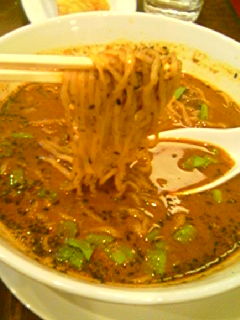
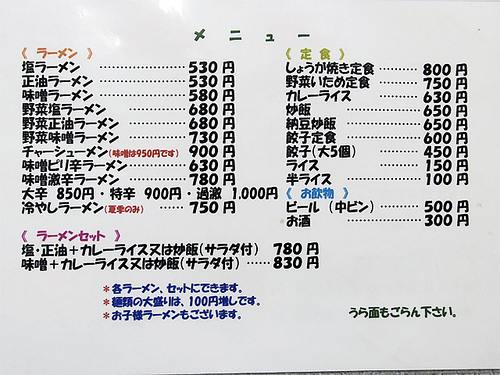
tasty ramen

四川黒ごまタンタン麺

Ahh, the rich and complicated world of ramen. There’s so many things to cover but let’s just start with the basics. First of all, ramen is everywhere in Japan so finding it is like trying to find a Starbucks, not very difficult. However, Ikebukuro is perhaps one of the neighborhoods more famous for it’s ramen. There’s one I particularly liked whose name I can’t recall where you can crush your own fresh garlic (I love garlic).

Main Ramen Types

Before we get into all the crazy ingredients that can go into ramen, you should first become familiar with the major types of ramen. These types will be generally enough to get your ramen fix in most generic ramen shops. Of course, many restaurants try to come up with clever names but it’s usually just marketing for these basic types of ramen.

  • 醤油ラーメン (しょうゆラーメン) – The most common and generic type of ramen. Nothing much to comment on here except that it doesn’t really taste like soy-sauce at all. Sometimes 「醤油」 is written as 「正油」.
  • 塩ラーメン (しおラーメン) – A simple, refreshing salt-based flavor. (It works great for hangovers.)
  • 味噌ラーメン (みそラーメン) – As the name “miso ramen” implies, the soup’s flavor is based mainly off of miso. If you like miso, you’ll probably like miso-ramen.
  • 坦々麺 (タンタンメン) – A spicy soup with the taste of sesame seeds either black or white.
  • 豚骨ラーメン(とんこつラーメン) – Literally meaning “pork bone ramen”, the soup is flavored by boiling pork bones in water. This gives the soup a whiteish color. Personally my favorite type of ramen.
  • チャーシューメン – Most ramen come with a slice of pork flavored differently depending on the ramen called 「チャーシュー」. This ramen is for lovers of 「チャーシュー」 as it has several heaped on.
  • ねぎラーメン – For those who like 「ねぎ」 or green onion, this ramen is for you. It’s heaped with the stuff.
  • つけめん – In this variation, the noodles are dipped in the soup as you eat. I don’t really like it that much because it tends to get cold very quickly but I do enjoy a spicy one occasionally.
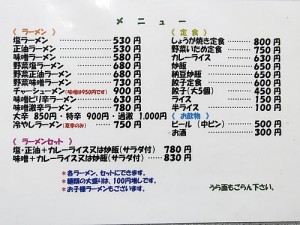
A typical ramen menu (among other things)

This is the main list but there are other types of ramen out there like 「カレーラーメン」, for example.

Noodle Types

In addition to the major types of ramen, sometimes the cook will ask you how hard you want your noodles. Personally, I prefer al dente as do many of the more hard-core ramen enthusiasts. You can even ask for soft but who likes soggy noodles? Another great trick for a really filling meal, if the option is available, is to save the soup and order an extra ball of noodles. This is called 「替え玉」(かえだま). It’s like an extra bowl of ramen often for as little as several hundred yen!

  1. めんの硬さ(めんのかたさ) – hardness of noodle
  2. 固めん(かためん) – hard noodle
  3. 普通(ふつう) – normal
  4. やわらかめ – on the soft side

Ramen Ingredients

Oh boy, this is going to be a doozy. A small number of ramen shops give you a list of ingredients, allowing you to choose each and every ingredient in your ramen (often charging you extra for each one). My wife usually picks miso, butter, and corn…. Ugh…

In Japanese, this is called 「具」(ぐ), which basically describes the solid stuff in any kind of soup or stew. There are a lot of ingredients so I’m only going to go over the major ones except for those we already look at in the major ramen types.

  1. のり – seaweed (you know the stuff)
  2. 煮玉子(にたまご) – boiled egg (my favorite), among other similar variations of egg including: 「半熟玉子」(はんじゅくたまご) and 「味玉子」(あじたまご)
  3. メンマ – bamboo shoots
  4. もやし – bean sprouts (pretty standard)
  5. ナルト – steamed fish-paste cake, you know the one with a pink swirl on it (impossible to find picture due to comic named after it)
  6. キクラゲ - some sort of mushroom, usually chopped up to look like black stringy things, pretty tasty

Also check out this the wikipedia ramen entry. There’s a lot more information about ramen as well, such as regional specialties. It’s all in Japanese but there’s also plenty of yummy pictures to feast your eyes on. Lovers of garlic and thick とんこつ soup like me will love 熊本ラーメン, though as I painfully learned first-hand, you probably don’t want to actually eat all the garlic chips.

So there you have it. Welcome to the wonderful world of ramen! This post just barely scratching the surface so you haven’t seen nothing yet!


Ordering food in real Japanese (part 1)

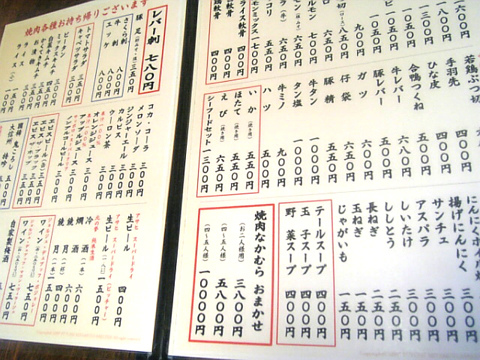
Phrases won't help you if you can't read the menu

If you ever learned how to order food in a classroom and/or textbook, let me assure you that is not how it’s done. Because Japanese employs a relative system of politeness, as a customer of the food establishment, you are automatically on top of the societal ladder regardless of your actual social status. Of course, that also means you’re at the very bottom when you meet with customers in your own job.

This typically means you need the following skills for ordering food in Japan.

  1. Very little speaking skill: You’re not obligated to say much. Just grunt and point at what you want (I write this just in case but this is a joke as grunting is generally frowned upon). Ordering food in Japan typically involves as much grammar as saying the name of the dish and maybe 「と」 if you are ordering multiple things (and a period if you insist).
  2. Awesome listening skills: You do however need to understand a bunch of honorific language spoken very, very quickly by somebody who has to say the same thing over and over again
  3. Awesome reading skills: Unless you want to eat only in fast food or family restaurants, most restaurants have no pictures and can look like some sort of ancient Chinese poem as far as you know unless you’ve beefed up learning the names of various dishes in Kanji.
windows 7 whopper

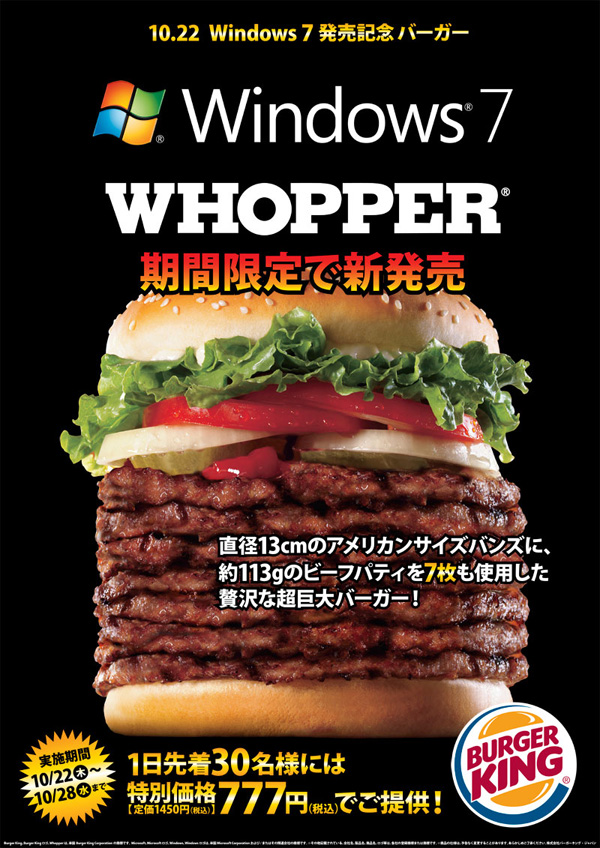
Contrary to popular belief, you can eat big in Japan (at least for a limited time)

Let me tell you, I thought I was pretty good at Japanese when I first arrived in Japan but when I went to buy something for the first time at a convenience store, I didn’t understand a lick of what was being said. How embarrassing!

So in this multi-part series, we will look at various types of foods and what they are called so that you can easily order them like a pro! In this part, we’ll look at some phrases that should help you navigate your way through convenience stores and fast food restaurants.

Conbini and Fast Food

You don’t really need to learn menu items in advance for convenience stores (コンビニ) or fast food restaurants. Obviously, you just pick up what you want in convenience stores and pictures are plentiful in fast food restaurants including mostly food you’re already familiar with such as the standard burgers and fries. However, the employees are going to ask you all sorts of stuff such as whether to take out or if you want to order the combo. And if you’re new to this, chances are highly likely that it will sound like a bunch of gibberish.

Just try to catch a few key words from these phrases because it’s going to be really fast. And of course, the universal rule of learning languages is that asking people to repeat themselves will not slow it down one iota.

Conbini expressions

  1. お箸おつけしますか?
    Would you like chopsticks?
  2. 袋にお入れしますか?
    Shall I put (your items) in a bag for you ?
  3. このままでよろしいですか?
    Is it ok just like this (without a bag)?
  4. 温めますか?
    Shall I heat up your food?

Fast food expressions

  1. こちらでお召しあがりですか?
    Is it for here?
  2. 店内でお召しあがりでしょうか?
    Is it for here?
  3. お持ち帰りですか?
    Is it for take out?
  4. お飲み物はいかがですか。
    How about a drink?

The lists are pretty short but the whole process is pretty standardized (and probably in a manual and everything). It should be enough to get you out the door with your food at the very least but feel free to add other expressions you’ve frequently heard that I missed in the comments.

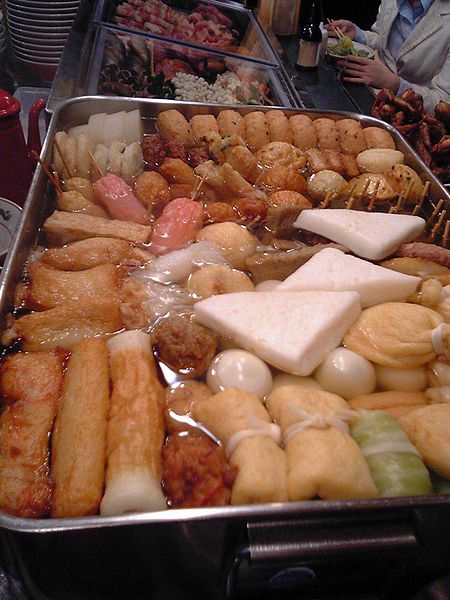
Finally, if you’re bored see if you can identify the various おでん ingredients. I’m not going to bother going over them because as I recall, it’s all self-service at the convenience store.

oden ingredients

A difficult reason for losing motivation

Reading articles like these really drains my motivation for learning Chinese.

Under Chinese law, carriers of hepatitis B cannot work as teachers, elevator operators, barbers or supermarket cashiers. In a recent survey of 113 colleges and universities, conducted by the Yi Ren Ping Center, 94 acknowledged that infected applicants, required to take blood tests, would be summarily rejected.

No, this is not an excerpt from a history book or an old newspaper article, this is a New York Times article published last week. This is just as ridiculous as the AIDS scare of the 80s in the US except umm… 30 years later and for a disease that’s been around far longer. At this rate of progress, maybe someday kids with hepatitis B may be able to attend kindergarten.

Chinese kindergartens and nurseries will shortly no longer be allowed to turn down children carrying hepatitis B who have normal liver function, says a draft government regulation.
…..
The draft regulation, applying to all kindergartens and nurseries hosting children aged under six, also requires them to report to medical authorities and enforce strict sterilization measures if infected children are found.

I wonder what strict sterilization measures would be required? Tell the kids don’t have sex or share needles?

There’s really no way I would ever consider living in China or even staying for any decent length of time. This really was the final straw after continuously hearing bad news from China including internet censorship, political persecution, tampered baby formula, and dogs dying from contaminated food. Now, I know it’s not fair to judge a country I have never visited with no first-hand knowledge. But why would I want to go a country that well… I no longer want to go to? Sure, I can sign up for a tour and check out the tourist traps but it’s hard to justify the huge amount of resources needed to learn a language just for a vacation. I might as well just bring a travel phrase book and be done with it.

I’m still thinking I might want to check out Taiwan though. Only problem is, now I need to start getting used to the traditional characters.

Am I over-reacting here? In particular, this blog post about trust and the comments really made me nervous about going to China. Interested in hearing thoughts from those who have experienced China first-hand.

Japanese TV

Here’s a funny blog post about Japanese TV:
http://www.gaijinsmash.net/archives/drivel_in_a_box_1.phtml

Looks like Japanese TV has remained pretty much the same since I’ve been there.

I actually like Japanese variety shows, or to be more specific, the segments they show during it. It’s fun to watch a Japanese dude staying with some tribe in Africa hunting lions or cute, newly-wed housewives around the world cooking their husband a home-style breakfast in their cuisine.

One particular interesting bit I remember was when they compared the total monetary value of gifts (called 貢ぎ物) given to Shinjuku’s top host and hostess. It looked like the top host would win with a luxury car when at the very end the hostess remembers, “Oh yeah, that condo I’m living in was also a gift.”

What I CANNOT STAND in variety TV is watching the reactions and discussions by celebrities after they watch the segments. WHY AM I WATCHING OTHER PEOPLE WATCHING TV?? Maybe I should gather some friends and make a video of us watching celebrities watching TV. Then I can make a video of us again watching that video. Geesh.

Still, in my opinion, Japanese TV is way better than US programming. Also, I think they were doing reality shows before they really took off in the US and it never seemed to descend to the level of trash like “Flavor of Love”. For instance, 「あいのり」 started over 6 months before the first season of Survivor (ugh).

By the way, my wife LOVES London Hearts.

The opposite of polite… rude? Not really.

As most of you know, Japanese has a separate way of speaking to show politeness. This way of speaking is called 「敬語」 as a whole and is split into two levels: 1) Polite – 丁寧語, and 2) Honorific/Humble – 尊敬語/謙譲語. However, I’ve never really seen a neat term to describe the non-polite way of speaking in English or Japanese. Some might think that the opposite of polite is rude but the level I’m looking for is between the two. Slang is a little different too. What I’m referring to is a neutral way of speaking with equals. I’ve usually just called it “casual” or “dictionary form”. However, 「普通の話し方」 is rather unwieldy and 「辞書形」 is a term for conjugation, not a politeness level. I’m not aware of any formal term in Japanese which is a pain when making Japanese lessons so I looked up 「丁寧語の反対」 in Google and found my exact question on Yahoo!知恵袋. Say what you want about Yahoo and it’s past blunders with Microsoft but Yahoo Answers is really cool and turns up useful answers all the time.

I’ve decided to use the term 「タメ口」 based on this rather confident answer.

普通に敬語の反対は「ため口」ですよね。
昔は「敬語」と「普通の言葉」だったのが、今は「敬語」と「タメ語」になっている。敬語とは上下関係を示すものではなく、相手との距離を示すものなのである。親しい関係かそうでないかを示すものである。

Any native speakers have any reservations with that term? Here’s a list of terms I tried to sort in order of politeness. Any additions, suggestions, or corrections appreciated.

尊敬語/謙譲語
丁寧語
タメ口
俗語

By the way, I hope to use a screen sharing app during my lessons to show how to do this type of research using Japanese and the internet on your own.

Holidays get deadly with Death Note

Life continues to be hectic and updates to this blog will be sparse probably till the end of this year.

I had wanted to write a post with a comprehensive review of the Death Note comic book series with transcribed excerpts but since that takes time, I’ll just leave you with a hilarious comic strip from VG Cats. Lots of funny stuff there including references to どうぶつの森.

In any case, the short version of my review is to definitely check it out as a resource for studying Japanese. There’s a lot of text compared to most comic books and the story is very complex. Definitely a good read for people at an intermediate to advanced levels.

Image from VG Cats:
Santa's Death List

A (not very) sarcastic conversation in Japanese

A: Yeah right, like there’s NO sarcasm in Japanese.
B: Yes, that’s right. There’s no such thing as sarcasm in Japanese.
A: Yeah, like NOBODY is sarcastic in ALL of Japan.
B: You can say that.
A: And that’s because you know EVERYBODY in Japan, right?
B: Well no, but Japanese doesn’t really have the capability for sarcasm. There isn’t even really a word for it in Japanese.”
A: Yeah, Japanese like totally can’t express even the CONCEPT of sarcasm.
B: Well, the closest thing I can think of is saying 「はい、はい」 to be dismissive instead of being agreeable.
A: And you know EVERYTHING about Japanese.
B: Are you trying to be sarcastic?
A: I dunno. I thought I was just speaking randomly in all caps for no reason.

You can translate this back into Japanese for fun times!

A (late) intro to the original 電車男

I was looking through my old blog for fun and ran into a post about 電車男. Though the post is over 2 years old and the height of 電車男’s popularity is long past, the original story (with some commentary) as it unfolded in the 2ch BBS is archived and still around for anybody to read for free (on a geocities account no less).

If you’re not familiar with the immensely popular 2ちゃんねる BBS, it’s basically an non-threaded forum where everybody posts anonymously. There are no “fancy” features like registration and passwords. You can put whatever name you want, so most times, you have no idea who is saying what. This and the crappy UI from the 90s makes for an experience I’d like to call “craptastic”. Fortunately, the archived version of the original content has been edited and neatly organized for us.

In this post, I’ll take a quick sneak peek of the beginning to introduce you to the story. Before you decide to read it for yourself, I should warn you that it’s full of internet slang that would probably be useless anywhere except… the internet. Ok then, let’s look at the first section!

Mission.1 めしどこかたのむ

731 名前:Mr.名無しさん 投稿日:04/03/14 21:25

すまん。俺も裏ぐった。
文才が無いから、過程は書けないけど。

このスレまじで魔力ありすぎ…
おまいらにも光あれ…

It begins with a cryptic message from Nameless-san on a random thread in March 2004. It’s impossible to know what he’s talking about without the previous messages but we can discern that he betrayed something somehow (裏ぐる is apparently internet typo/slang for 裏切る). The commentator helpfully adds that it was just an “ordinary thread with nothing special” anyhow.

たいして内容のないこのレスが、この後絶大な支持支援を得るスレに発展しようとは、誰も想像しなかったに違いない。

His first message saying he can’t say how he betrayed [whatever] because he has not talent in literature gets people wondering what happened. One person asks whether he got a girlfriend. He replies no but it’s a big chance. He’s obviously flustered because he then retracts his earlier statement and says he needs to calm down.

733 名前:Mr.名無しさん 投稿日:04/03/14 21:28

きになる

734 名前:Mr.名無しさん 投稿日:04/03/14 21:28

>>731
彼女が出来たのか?

737 名前:Mr.名無しさん 投稿日:04/03/14 21:33

>>734
違うけど。でも大チャンス
こういうこと続くとネタにしか聞こえないよな
とにかくおまいら外に出てみろ

738 名前:Mr.名無しさん 投稿日:04/03/14 21:35

ごめん。よく考えたら大チャンスじゃなかった…_| ̄|○
冷静になれ俺…

Finally, somebody tells him to give all the details. キボン is internet slang for 希望.

739 名前:Mr.名無しさん 投稿日:04/03/14 21:36

>>737
これを打つのも何度目だろう、

  詳 細 キ ボ ン

Finally, he reluctantly agrees to write about what happened. Because he has been only 「ロムる」ing, meaning “Read-Only Member” or what we call a “lurker”, he asks that he not be laughed at.

740 名前:731 投稿日:04/03/14 21:38

>>739
上手く書けないけど
ちょっと書いてみる。
ロムってたばかりの俺だからさ…
笑わないでくれよ…

At this point, he isn’t even known as 電車 and is writing as 731, the number of his first post (remember they’re all anonymous).
Here’s how the story begins.

749 名前:731 投稿日:04/03/14 21:55

今日は秋葉に行ってきた。特に買う物無かったんだけど
帰りの電車の車中で酔っ払いの爺さんがいた。
その車両には座席の端で座ってる俺と爺さん以外は殆ど女性。
20代~40代くらいかな。

その爺さんが、周りの女性客達に絡み始めた。
最初に若い女性に絡んだんだが、その人はすごい気が強くて
爺さんを一喝して次の駅でさっさと降りていった。
その時、俺は迷惑な奴だなぁとチラチラ様子を見てた。

爺さんは次に俺の座っている座席に来て、真ん中らへんに
座ってるおばさん数人に絡み始める。
「携帯使ったらただじゃおかねーぞ」
みたいなこと言ってビビらせてたと思う。
おばさん達は(´・ω・`)←こんな感じで押し黙ってしまった。

なんか長くなりそう。

766 名前:731 投稿日:04/03/14 22:23

おばさん達はそのままじっと下向いて
「関わらない方が良い」という感じだった。
すると、爺さんはまた訳の分からないことをわめきつつ
「女は黙って男に使われてりゃいいんだよ」
みたいなことを言って、手をおばさんの顔に持っていって顎を掴んだ。
俺はさすがにマズいと思って、勇気を振り絞ってちょっと叫んだ
「おい、やめろよ!」と。きっと声震えてた。
俺、喧嘩とかしたことなかったし。
それでも爺さんに聞こえてなかったらしく、反応無し。
「おい!あんただよ!やめろっていってるぎうこhくえほp!」
必死にもう一度叫ぶ。そこでおばさんが「いいから、大丈夫だから」と
立ち上がった俺を制する。爺さんはようやく気付いたらしく
俺の方を向く。
「さっきからジロジロ見やがって…」
と睨み付けられた。

千鳥足で俺の座席の前までやってくる。
「あぁん、お前幾つだ?」
「22だ!」
「俺はなぁ60こいえおヴぃえそいv」
何言ってるかよく分からなかったけど、大体「若いくせに生意気な」
みたいな感じのことを言ってきた。
「なんだ?やるのか?やるのか?」
爺さんはもう喧嘩腰だった。
「ハア?何をですか?警察呼びますよ」
「警察でもなんでも呼べじょふげg」
そうのたまりながら、手を振りかざしてきた。
手元が狂ったらしく、俺の隣に座ってる女性に手が当たった。
と言っても、平手がかすったくらいだけど。

どうやって文章って短くするんですか…?(´・ω:;.:…

772 名前:731 投稿日:04/03/14 22:37

「キャッ!」とその女性客が後ろに退いた。
俺は無我夢中で立ち上がって爺さんの両腕を掴んだ。
その隙におばさん達の一人が車掌さんを呼びに行ったのが見えた。

その時、騒ぎに気が付いた隣の車両にいた20代後半くらいの
サラリーマンが助けに来てくれた。揉み合う俺と爺さんを見るなり
爺さんを後ろから羽交い締めにする。
「あぁ、わかったわかった。そんな若い子に絡むなよ」
さすが人生の先輩だった。刺激せずになだめる事を知ってる。
「俺が押さえてるから、君はもう座りなさい」
俺もかなり興奮してたから、そのサラリーマンについでに
なだめられてしまった。爺さんはそのサラリーマンには
全然脅しかけないでやんの。自分より強いと思ったからなんだろうな
俺は舐められてたんだなと何故か悔しくなるヽ(`Д´)ノ

俺が座る隣の女性が
「迷惑な人ですね」
と、俺に声をかけてきた。
「本当迷惑です」
もっと気の利いたこと言えよ俺。_| ̄|○

疲れた…_| ̄|○

Whew! And that’s how he first met the person we’ll only ever know as エルメス. I think that’s enough for now so I’ll end it here. But to sum up, at the end of the incident she asks him for his address and later sends him a thank-you gift for his braveness and chivalry. More importantly, the receipt for the delivery has her number on it! What will you do 電車?!!

Conclusion

I think it’s really cool that parts of the original threads are still available for free online especially since I believe there’s a book out as well. If you don’t mind weeding through internet slang and banter, I’m sure there’s a lot of good primary reading material here. Otherwise, be sure to check out the drama and/or movie. I haven’t watched the movie but the drama was pretty good. They sure did pick a nerdy guy for the main character.

電車男 is one of those perfect nerd fantasies where the main character meets a beautiful women in a chance encounter and through luck and perseverance ends up 「ゲットする」ing the girl. What makes this story special is that it was originally told on an internet forum and with input from regular netizens along the way. Plus, it’s real as far as I know. I think we’re all curious about what エルメス looks like!

In addition, the time and effort people put into cheering 電車 on is very touching. The graphics are simply amazing as well! Who says you need fancy features like image uploads or BB code?!

Let me know what’s going on now!

Japan is a country where everybody goes from one crazy fad to the next such as ヨン様 (ugh…), Hard Gay, and 涼宮ハルヒの憂鬱. 電車男 was certainly a media phenomenon in its day spawning a book, movie, drama, manga, and even appearing in theater.

I haven’t been in Japan in over a year and I’m a bit out of touch so please let me know about any new fads going on!

And then… (scroll… scroll… scroll…) …never mind

Japanese blogs are good reading practice if you can find some interesting ones.
 
Most share some unique characteristics.
 
I don’t know who wrote the rules of Japanese blogging…
 
…but you have to use the “Enter” key a lot.
 
The writing tends to be kind of aimless as well.
 
I think celebrity blogs are probably the biggest in Japan.
 
If you’re an attractive celebrity who also happens to be an オタク geek like しょこたん, you’re bound to get a huge following of fantasizing geeks.
 
It’s like the ultimate fantasy.
 
Sometimes, I wish I was a hot, geeky celebrity. Then my blog would be popular.
 
But I don’t want geeky, fantasizing fans. Yuck! \(≧≦)/
 
Oh yeah, don’t forget to use lots of cute smileys.
 
Here’s another one:
 
( ^ー゚)bグッ! All right! (Pat myself on the back!)
 
There’s one more crucial aspect to writing a Japanese blog…


Frickin’ make you scroll forever to see what comes next!!!


It’s supposed to build suspense but it’s…


SO ANNOYING! \(*><)/
 
I enjoy a number of Japanese blogs like うまのホネ.
 
For instance, one of her posts is about strategies for milking herself reserves for the baby so that she can drink alcohol.
 
That’s my kind of wife!
 
Another one I enjoy is by yet another hot, (kinda) geeky celebrity: 眞鍋かをり.
 
You can tell she’s geeky from the following excerpt:

凌南戦でメガネくん(小暮)が決めたスリーポイントシュートくらい絶妙なタイミングだったんですよ。

 
That won’t make any sense unless you’ve read Slam Dunk, which I think is one of the first steps to becoming a geek.
 
Of course, I have read all 31 volumes. <(`ー´)>
 
Those are supposed to be arms tucked smugly behind my head, in case you didn’t get it.
 
This next blog is so popular, they made a drama of it and a PSP game: 鬼嫁日記.
 
13 millions hits on the counter! (゜_゜;)
 
It’s very funny but has lots of scrolling. (;´ヘ`) はぁ~
 
Tell me your favorite Japanese blogs in the comments!
 
Next time, I’ll try writing a real Japanese blog post in real Japanese!
 
またきてね!♪(#^ー゚)v